
By Linda Adams, Math Instructional Coach
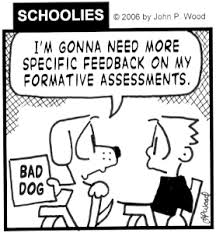
Have you ever spent the weekend grading student work, writing all kinds of comments to help them understand their grade and ways the student can improve only to find that once they see the grade they “round file” the paper without even a glance at your carefully crafted responses? I always wondered why it seemed that I was working harder than my students and that students did not seem to care about their learning, but just the grade.

Many teachers and administrators recognize the use of rubrics in terms of an equitable grading practice. Another advantage of using rubrics is to allow students to see the specific target and to self assess where they are in relation to that target and to get immediate feedback from the teacher to reflect on how specifically they can move their learning forward.
In essence rubrics can help students:
- Understand expectations and components of a task/assessment.
- Become more aware of their learning process and progress.
- Improve work through timely and detailed feedback.
In addition rubrics can improve student learning by allowing students to peer-assess and self-assess learning. Through scoring guidelines, students can learn the value of giving and getting feedback and reflect more on the learning process rather than the grade.
What makes an ‘effective’ rubric?
The most effective rubrics lay out three kinds of information for students: the key evaluative criteria, defined as concretely as possible, an evaluative range for each criterion so that students can see where they succeeded (or not) for each criterion, and weightings for each criterion. During the task, students use the rubric as a checklist to assess their product and track their progress. Rubrics are excellent tools to promote peer assessment, where students learn how to give and receive constructive feedback.

Traditionally rubrics are described as either holistic or analytic. If you are new to rubrics check out this one page article by Andrew Miller in Edutopia “Tame the Beast: Tips for Designing and Using Rubrics”.
Maybe you’ve already used rubrics in your classroom but find them time consuming to create. There’s a third option that introduces some exciting and game-changing potential for teachers and students. Check out Danah Hashem’s article also in Edutopia “6 Reasons to Try a Single-Point Rubric”.
Here is an example of what a single point rubric might look like:

To delve deeper into feedback and rubrics check out Jennifer Gonzales’ infamous blog Cult of Pedagogy article “Introducing the Hyper Rubric, a tool that takes learning to the next level”.
In addition to the possible solutions for giving constructive and timely feedback to students, rubrics can help teachers manage the amount of time they spend grading. I encourage you to check out the Cult of Pedagogy video (less than 4 minutes)