Building Social-Emotional Literacy
by Matt McCown, Speech Pathologist, Pilot Butte Middle School
When I was a boy and I would see scary things in the news, my mother would say, “Look for the helpers. You will always find people who are helping.” – Fred Rogers
Kids and grown-ups,
How are you coping?
We’ve had a lot of changes lately. Change, not knowing how to do new things or what’s going to happen next will make us stressed out. It’s OK to feel your feelings. There are good ones, like a deep, belly laugh. It’s OK to feel the bad ones, too, like stress. Mister Rogers taught me that.
Can I tell you a story?
One day, I was super stressed out. I was at work. I wasn’t “using my strategies” to feel better, either. This can happen when we get so upset that we “flip our lids” and aren’t thinking straight, right?
Anyway, I was feeling stress and getting lost in it. Then, in the library, I heard April Witteveen, Deschutes Public Librarian, doing a story time with the kids. I don’t remember what book it was. That’s not important. What’s important is that my feeling changed from stress to amusement and then…to comfort. Goodbye stress. It was weird to feel powerful bad feelings change that quickly. I wasn’t used to letting go so easily.
Well, I was kind of wishing I was a kid again so I could stop my stress and just enjoy story time – so I could leave the lame grown-up world and join a more light, funny, simple feeling. Then I remembered that I don’t need special permission to feel something simple and fun – to allow myself comfort.
You don’t need special permission to feel your feelings. You are also free to let your feelings change any time from fear to comfort, from stress to kindness and caring.
But, how do we do this?
Sometimes we need a little extra help with letting our feelings change, don’t we? The good news: anyone can do it! But, different things work for different people. For some, a good stretch helps increase a mind-body connection that instantly changes your feeling, taking you out of your bothersome thoughts. For others, sitting and focusing on breath, aka “mindfulness” can take you out of that tight, stressful body feeling into a calm (but alert) state of mind.
For my friend, it’s remembering his dog. He told me if he feels angry, he thinks of his dog. Boom! His feelings change. He said, “It’s hard to feel angry when I remember my little dog,” and that memory instantly changes his feelings from fear or anger to a simple feeling of care and love. Once, my friend was so upset, he called and said this wasn’t working. He was so angry and disappointed about something that when he imagined his dog, he felt better for a second, but then his angry feelings came right back.
I helped him this way: I said, remember your dog again and feel that feeling of your little dog. Now remember that feeling and continue it. Sit in a chair, comfortably and continue that good feeling you get from your dog for just five minutes. Set a timer. It worked. He was better.
Did you know that people who stutter don’t stutter when they speak to their dogs?
This is brain science, and when we have good experiences of coping with stress, our brains grow and change in positive directions. Our confidence improves as we realize we have more power and control than we once thought we did. We aren’t victims of our feelings. Our feelings are our friends when we have the skills to start and continue a good feeling.
Some scientists call it “flow.” People in the sports world call it, “being in the zone.”
We all want to feel good.
For me, it’s music. I put on music to change my feelings. Music continues, and that’s what I need. I need my good feelings to continue.
We all need a comforting experience, especially now. How are you coping with these changes?
Look for the helpers.
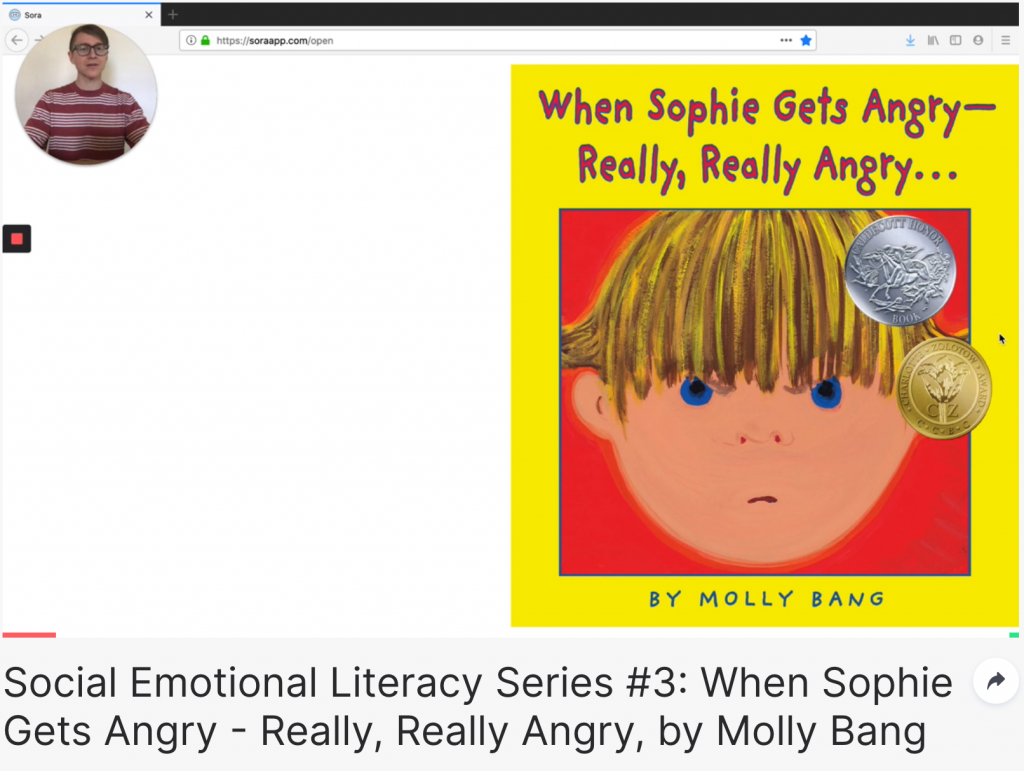
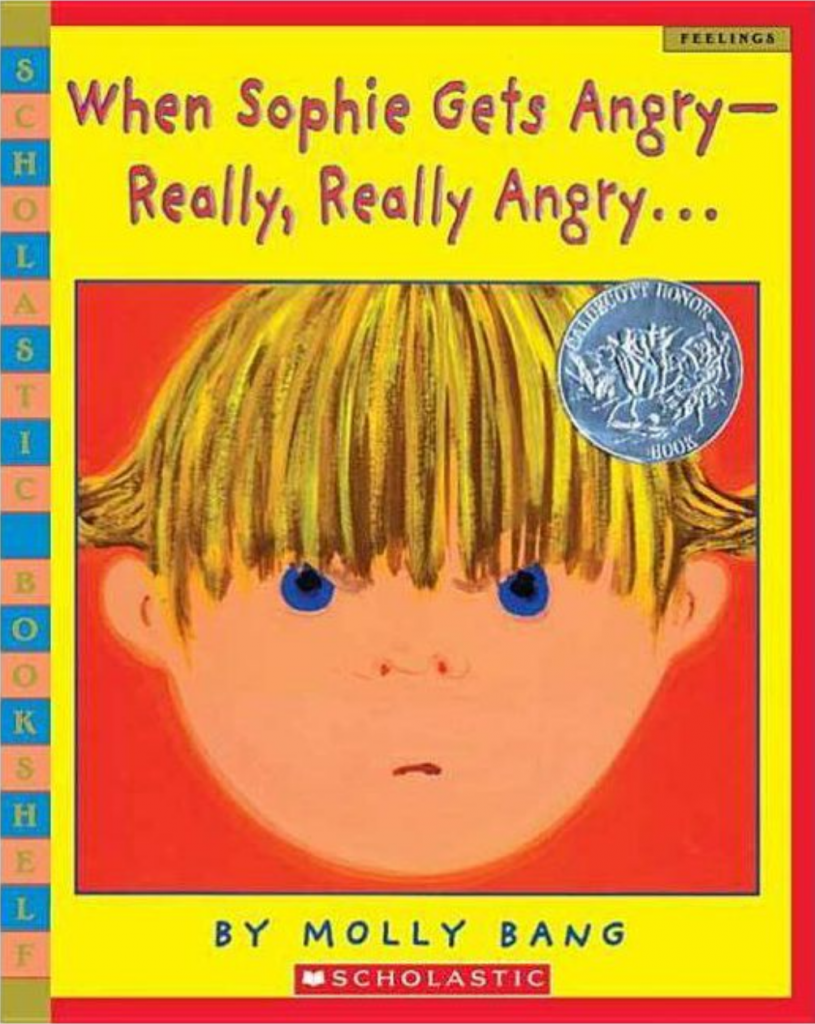
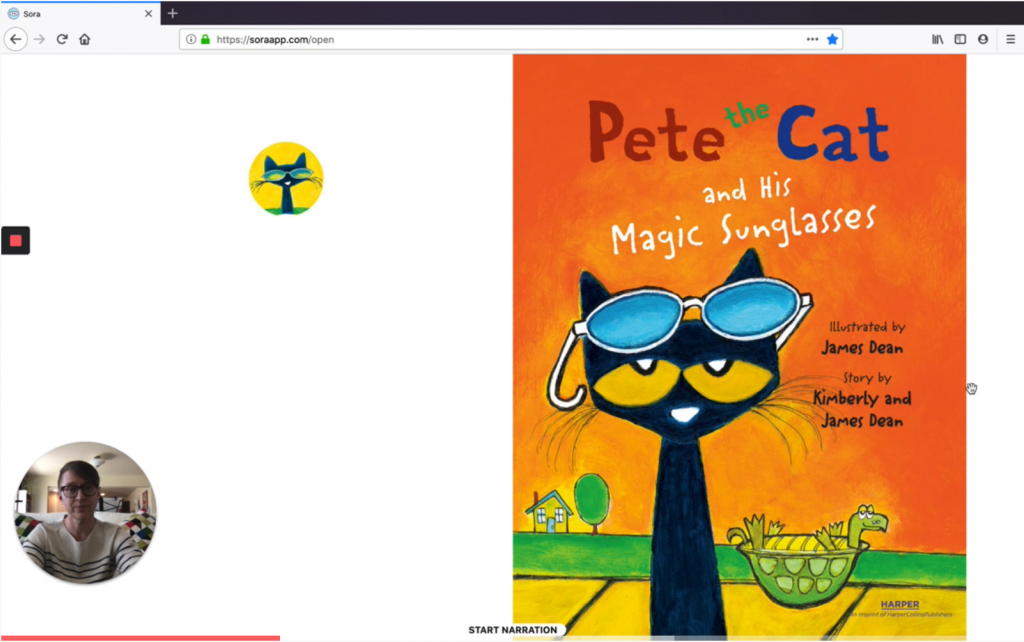
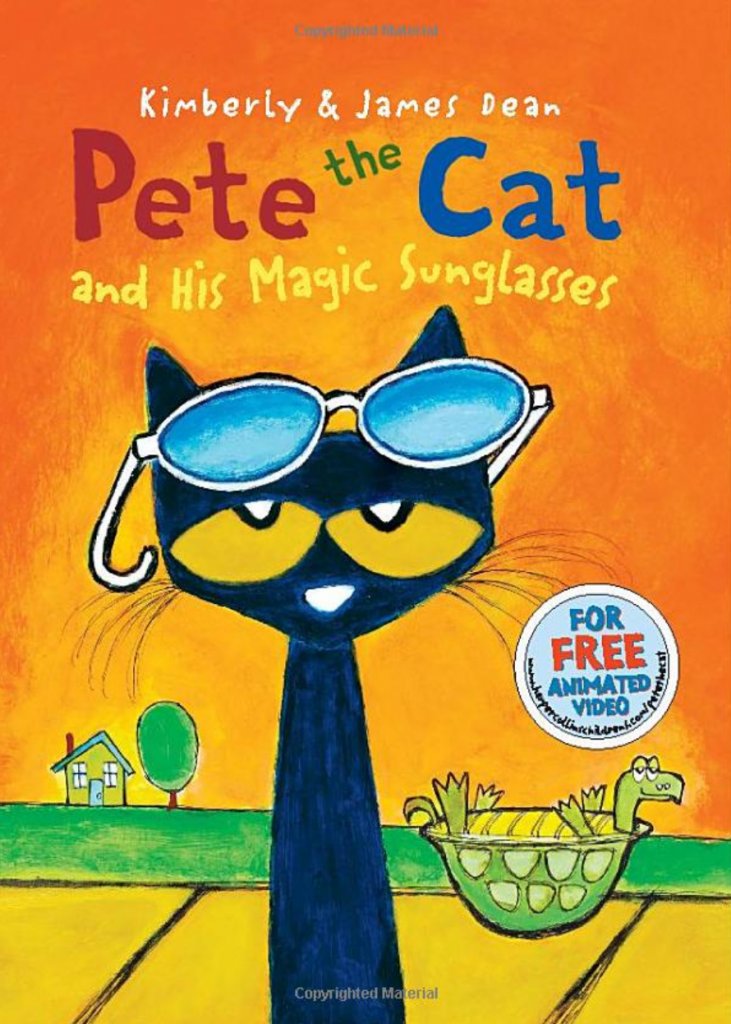
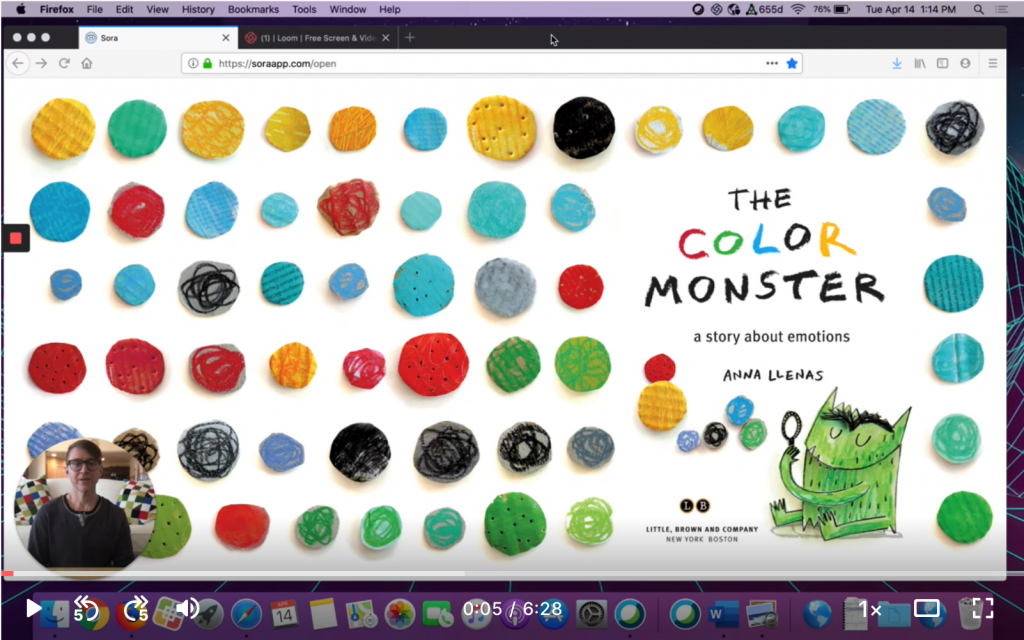
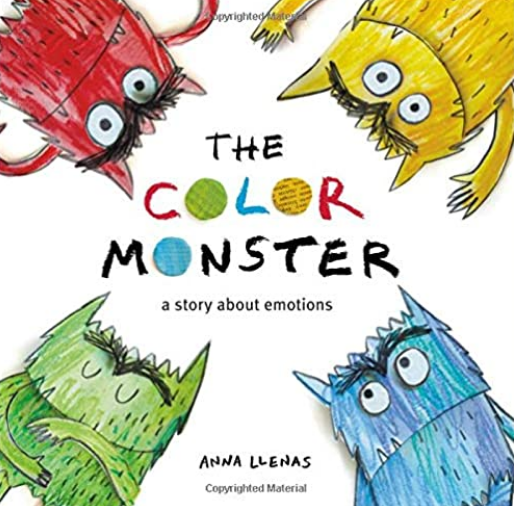
At PBMS, we do a social-emotional-literacy time with our life skills students: a comforting story time with ideas and practice for coping, getting along with others, self-regulation, feeling good. We’ll be continuing this time each week online and would like to extend that experience to you, because you are never too old for story time, never too old to find comfort in something simple, never too old to learn how to cope.
During our social-emotional-literacy time, we’ll be reading simple, delightful, silly stories to enjoy with messages and strategies we can use to get along with others, manage stress, self-regulate and feel good. The stories are fun. The strategies are based in science. I’ll be pushing these stories out to my students. We’ll also be pushing these stories out each week on Friday to this blog. It doesn’t matter if you’re young or old. There will be humor, comfort and coping skills in this story time for everyone.
Will you join us?