
Remember
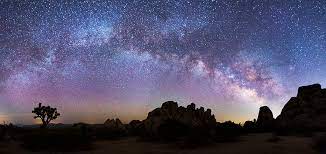
Remember the sky that you were born under,
know each of the star’s stories.
Remember the moon, know who she is.
Remember the sun’s birth at dawn, that is the
strongest point of time. Remember sundown
and the giving away to night.
Remember your birth, how your mother struggled
to give you form and breath. You are evidence of
her life, and her mother’s, and hers.
Remember your father. He is your life, also.
Remember the earth whose skin you are:
red earth, black earth, yellow earth, white earth
brown earth, we are earth.
Remember the plants, trees, animal life who all have their
tribes, their families, their histories, too. Talk to them,
listen to them. They are alive poems.
Remember the wind. Remember her voice. She knows the
origin of this universe.
Remember you are all people and all people
are you.
Remember you are this universe and this
universe is you.
Remember all is in motion, is growing, is you.
Remember language comes from this.
Remember the dance language is, that life is.
Remember.
Joy Harjo, United States Poet Laureate 2019, member of the Mvskoke/Creek Nation
Today is Earth Day, a time to remember who we are as a species and how we are connected to the Earth that sustains us. Earth Day started on college campuses April 22, 1970 to bring awareness of human’s impact on Earth and its systems. Earth Day has become a global day for action and awareness about the effects of climate change. There are a plethora of resources for involving students with Earth Day in all subject areas. I have seen many teachers and students incorporating Earth Day themes into their lessons. For example, I was at Summit High School and was excited to see students advocating actions such as used mask collection, recycling and resource awareness. At Pacific Crest sixth grade students held a Socratic Seminar on alternative energy requirements. Action empowers students and inspires change. Below are just a few some Earth Day resources.
Bend’s Earth Day Parade is Back!
The Environmental Center is set to host their annual Earth Day Fair and Parade in-person after moving to virtual events for two years during the pandemic. Click here for details! This is a fun community event that involves many students and families in the area. The parade is downtown with the Earth Fair to follow.
Conservation International – Nature is Speaking Videos
I love these videos! Excellent video clips that can be used to inspire writing and reflection in all subject area. Beautiful videography around themes such as on water, fire or air with celebrities voice over. Below are two examples of the videos, one in English and one in Spanish.
Invest in the Planet
This year’s Earth Day Theme is Invest in the Planet . Earthday.org provides resources for educating and inspiring students and communities members to get involved. Some resources inspire activism and show locations around the world where students are standing up for the Earth. Some resources focus on Climate Justice and actions to help the most vulnerable populations locally and globally. Other resources focus on individual moves such as eating a plant-based diet or starting a local Clean-up. Below are some tidbits from the website.
- Ploggers in Action – Walk, hike, jog and pick up plastic along the way.
- 52 Ways to Invest in our Planet – Actions, quizzes and challenges to get involved in Earth Day
- Great Global Clean-up – How to register a clean-up or learn about global success stories
- Earth Day Fact Sheet – Updated in 2022 facts about many topics related to the environment from the decline of Bees to deforestation.
Climate Justice
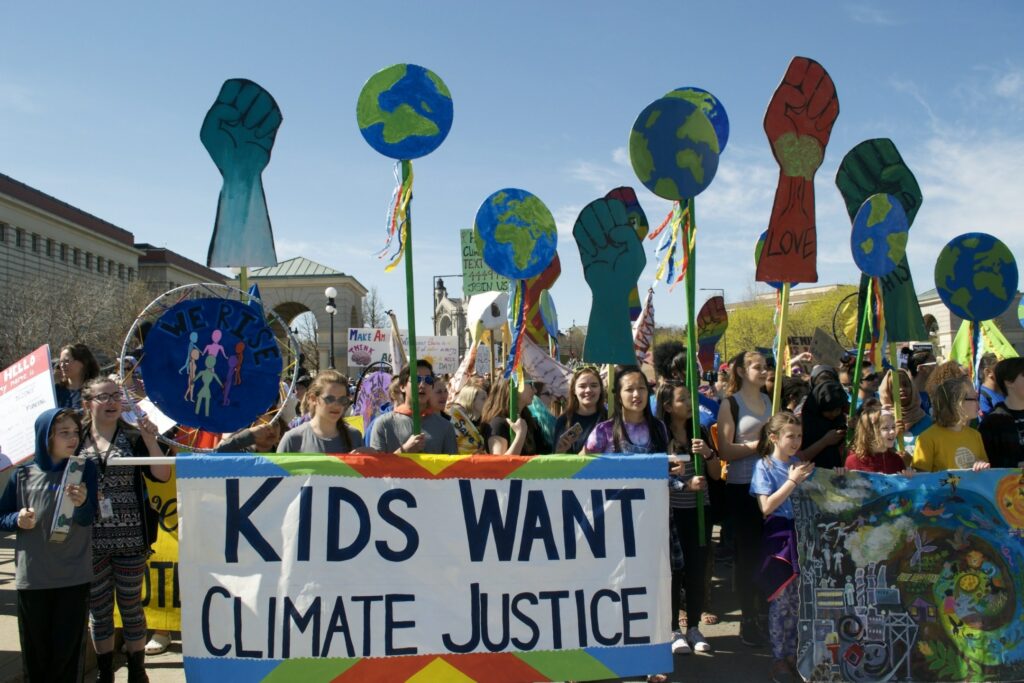
Climate Justice is a term referring to inequitable impacts climate change on marginalized populations. Advocates for Climate Justice are calling out the social, economic and public health crisis created by a changing climate. It is predicted that climate change will result in over 1 billion climate refugees by 2050. Climate refugee are people that are displaced by ecological changes and natural disasters cause by effects of global warming. Oregon State Science Standards will incorporate climate justice in the next standards adoption. Here is a toolkit for for teachers interesting in Climate Justice topics.
Citizen Scientists
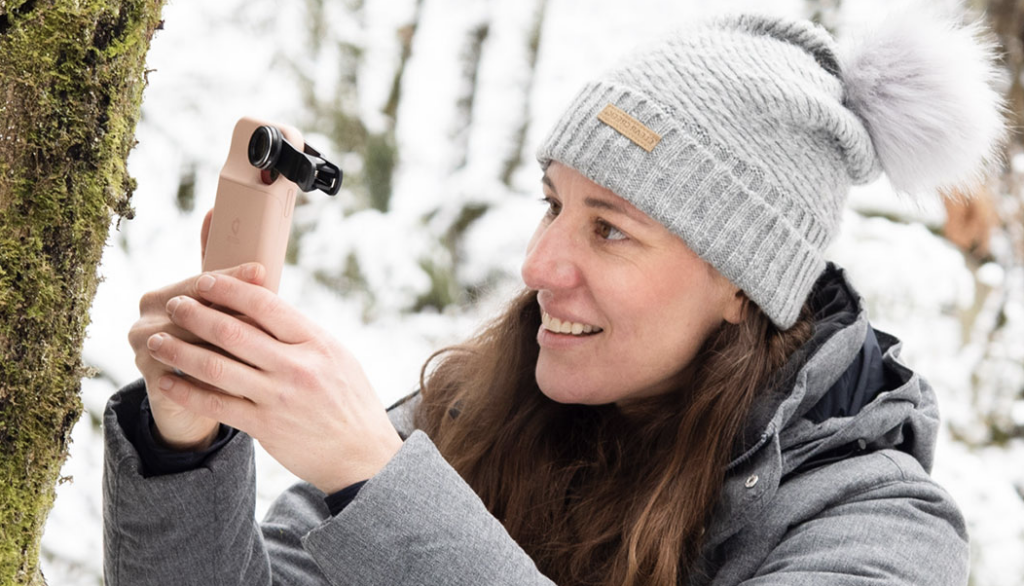
Students and community members can be Citizen Scientists that collect real data for scientists around the world. Topics range recording bird migration at backyard bird feeders to reporting bloom dates of trees. Below are a few website to get you started.
- Citizen Scientist Month at SciStarter Clearing house for thousands of projects students can be a part of.
- NASA Citizen Scientists Projects NASA’s citizen science projects are collaborations between scientists and interested members of the public and have helped make thousands of important scientific discoveries.
- NSTA Our Beautiful Planet Showcasing Climate Science Research to Spark Curiosity and Increase Student Understanding of How the World Works
Giving Students a Sense of Hope
Discussing climate change can cause anxiety in students. A few years ago my 8th graders I asked them to think about what they would be doing in 10 years. I was shocked at the number of students that thought that the Earth would be destroyed in the next decade because of climate change. They had a fatalistic view that was heartbreaking, and this was before the pandemic. To be scientifically literate, students need to learn about climate change and the impact of human activities. As teachers we need to be aware of what is age appropriate and how students might internalize the the impacts of global warming. It is important to give students a sense of hope and the belief that they are part of the solution through action and innovation. Our students are the innovators of the their future and want to be involved.