

Last week’s blog focused on the importance of communicating clear learning intentions: the WHY of our lessons. This week, we focus on student success: WHAT does success look like?
LEARNING INTENTIONS tell students where I am going; SUCCESS CRITERIA help students know how they are going to get there, and what choices they will make along the way. Students must have a clear expectations about what it looks like to be successful in the learning endeavor they are about to engage in. Success criteria provide a framework, a set of rules that students will use to understand their success in learning.
Success criteria tells students how far they will swim before they dive into their learning.
Well-written criteria give students feedback about learning. Feedback does not always have to come from the teacher. Because they know their success criteria, students can engage in more meaningful conversations with their peers about their work. Such peer assessment is they type of assessment that we get in real life. (I assure you that I shared this blog post with my peers, received feedback and made adjustments before posting it!)
Well-written criteria also enables students to engage in more effective self-assessment. Rather than asking them “How do you think you did,” we can ask them, “Where do you believe you scored and what justification do you have for your reasoning?”
Not providing success criteria is similar to coach telling their team to play a game, but not telling them how to win or, even, very many of the rules. We’ve all been there at one time or another: think of that time on the playground when nothing was clear and we had to figure out the game as we went, hoping we got it right. Sure, some of us kept playing. Many of us walked away, accepting lesser playground status, feeling like outsiders because we didn’t seem to know what the other kids understood innately.
Clear learning intentions and success criteria have been shown to increase levels of engagement and motivation because the rules of the game are clear, and students no longer feel unsure of what to do next or what they are trying to accomplish.
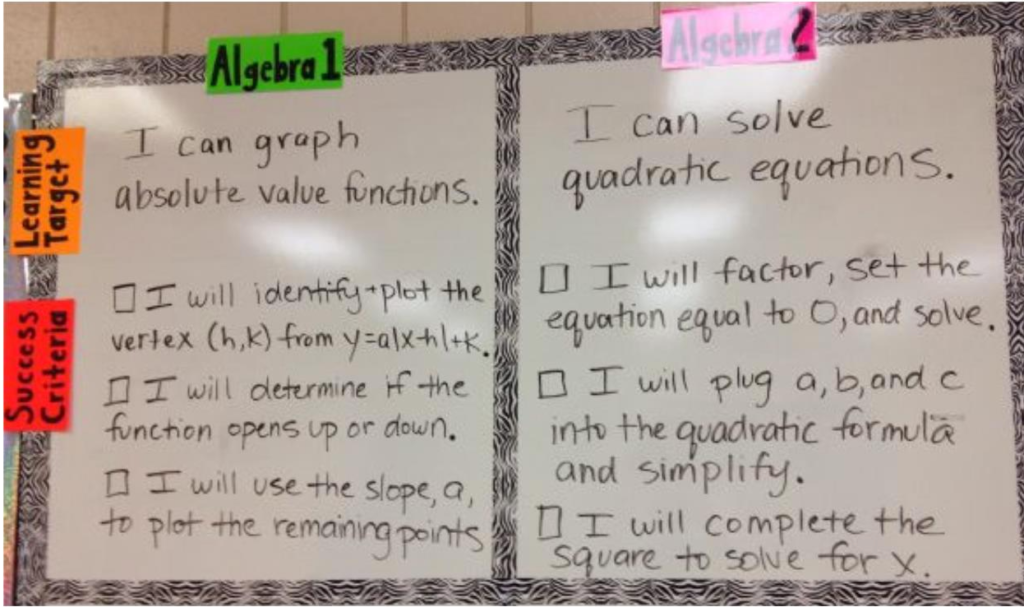
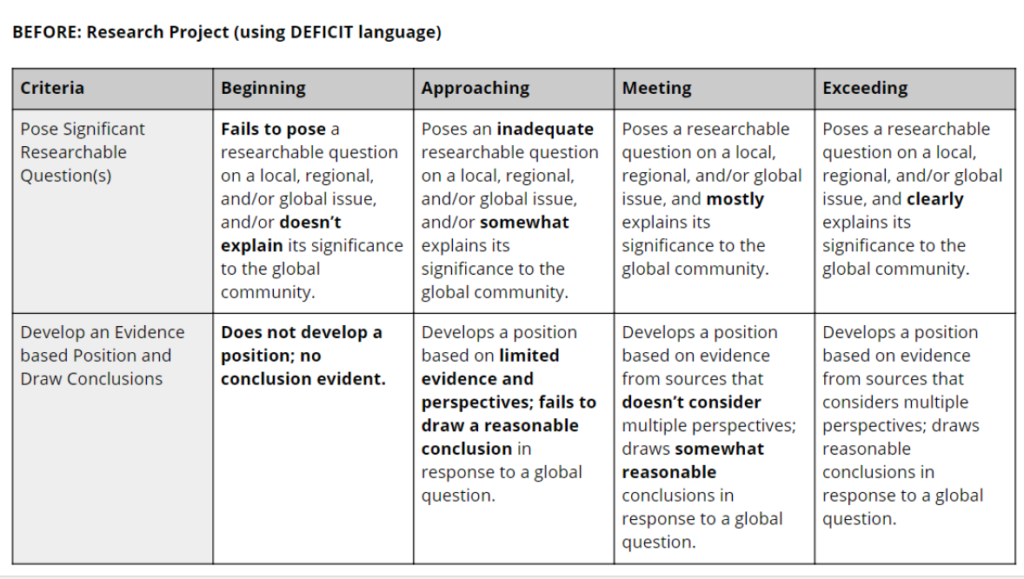
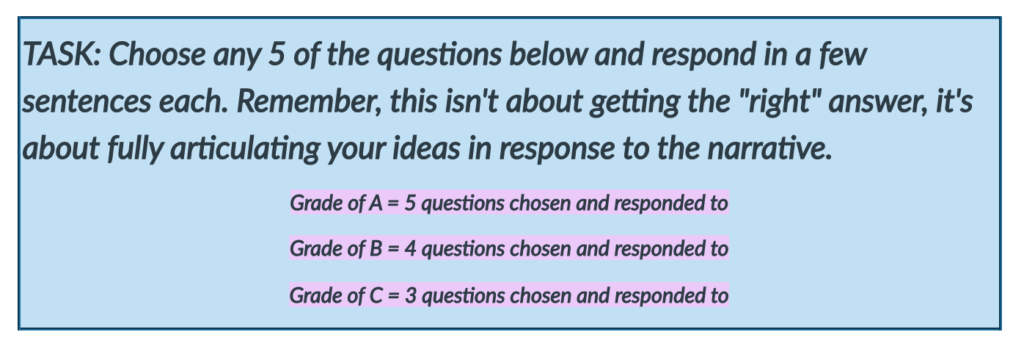
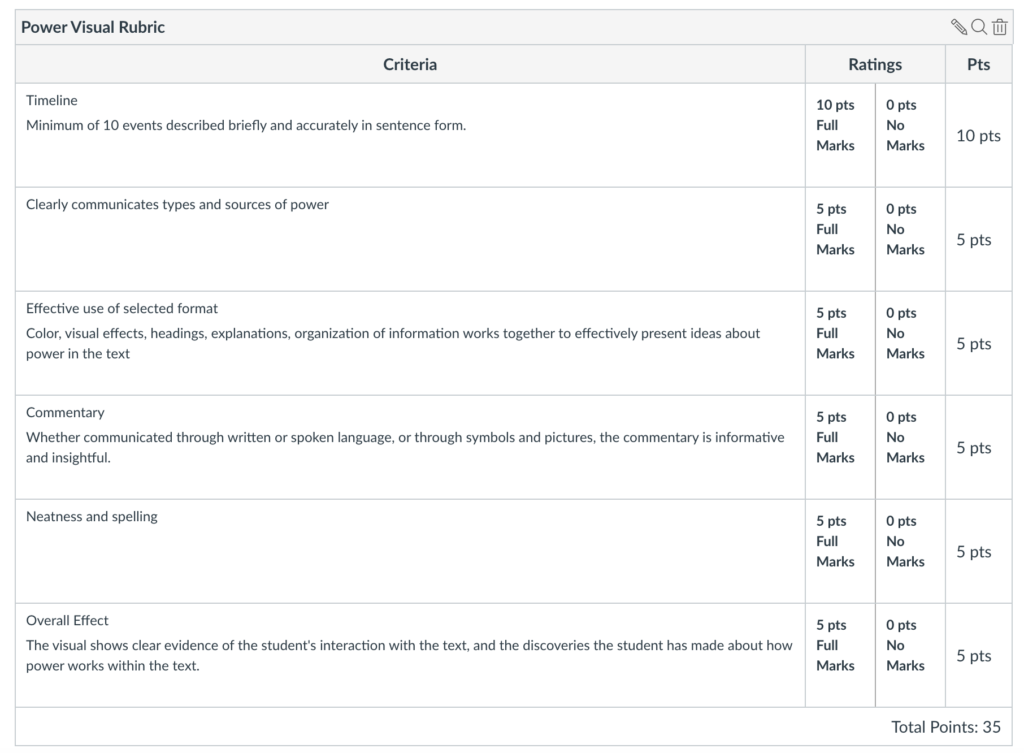
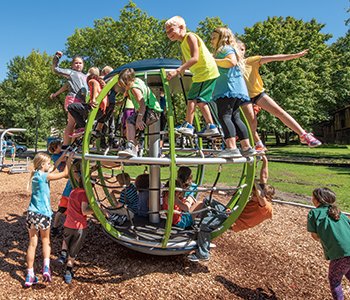
When kids know their success criteria, the playground works. When students know their success criteria, the classroom works.
Pingback: March 8 – 12 | Hawk Happenings