by: Linda Adams
This morning I was curious. Where does “curiosity killed the cat” come from and what does it mean? Was it related to the naughty little monkey, Curious George?
I consulted my pocket computer…an idiom used to warn of the dangers of unnecessary investigation or experimentation? REALLY, what dangers?

For many, there is the belief that curiosity provides intrinsic motivation for learning. Sometimes that means Googling your question, and other times it involves digging deeper, letting yourself fall down “rabbit holes” and learning other new and related ideas.
We all know what a powerful learning tool curiosity is! We all know cultivating that curiosity is one of our highest goals as teachers. (Curious to know more about this? Here’s a one-page read from Edutopia: https://www.edutopia.org/blog/why-curiosity-enhances-learning-marianne-stenger#:~:text=Why%20Curiosity%20Enhances%20Learning.%20A%20neurological%20study%20has,we%20learn%2C%20we%20enjoy%20the%20sensation%20of%20learning.)
In essence, we are ALL wired to be curious. Curiosity prepares our brains for learning and makes learning rewarding. Curiosity = Engagement!
Modelling curiosity is the first step to recognising and valuing it in your classroom. Teachers do this instinctively, asking questions to elicit thinking in our lessons, and showing enthusiasm and joy when we discover new things with our students.
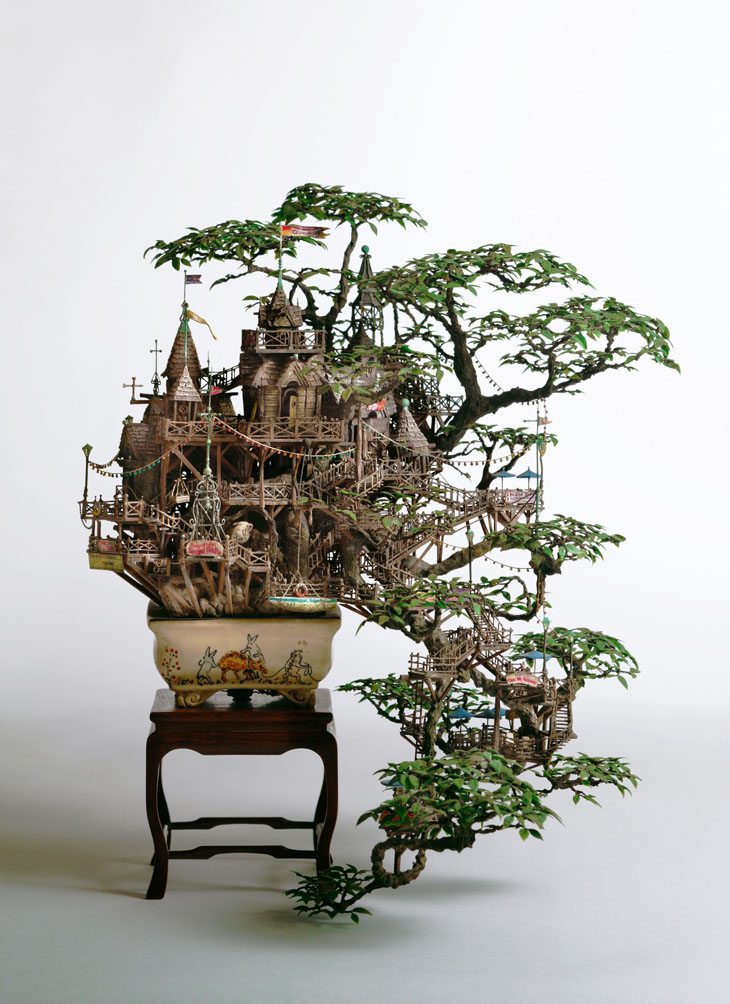
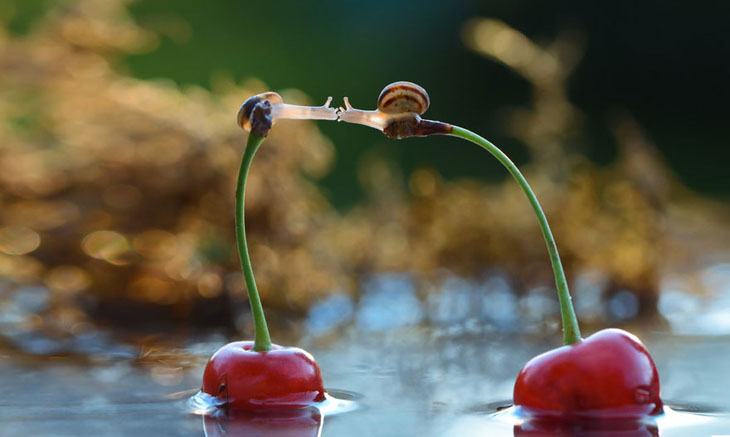
One of my favorite ways to engage a lesson with curiosity is to start with a picture, graph, cartoon or quote and add 2 questions; “What do you notice?” and “What do you wonder?“
The beautiful thing about Kathy’s routine is that, while students notice and wonder you are validating all student responses and giving all students a voice, whether it is a content-specific wondering or whether it is purely an observation about what they are seeing.
Here is a second, holiday example:

By the way, in case you were still wondering…
The earliest reference of the proverb “Curiosity killed the cat” came from William Shakespeare in his play Much Ado About Nothing. In the original form it meant “care or worry or sorry killed the cat,” not curiosity. I agree! For teachers, curiosity is too powerful an instructional tool to kill anything. Let’s celebrate what makes us curious!
What do you notice? What do you wonder?