By Amy Yillik, EdD, Culture of Care Coach, HDESD
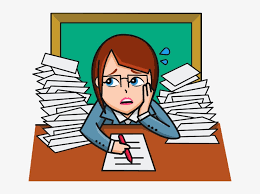
You don’t need to be a psychologist or someone that has experienced Burnout to see the writing on the wall in education right now: Educators are exhausted! And while some of you may or may not be in Burnout, our educational environment has been primed for educator enervation for some time: toss in a pandemic, hybrid learning, politics, & social discord, how could we not be debilitated and unmotivated? When experts discuss Burnout, the solution is generally in prevention. But here’s the thing: Educators are in Burnout right now! We are past the point of prevention; We need intervention. So if you’re tapped out and not sure how you’re going to get to this school year’s finish line, I hope these suggestions are helpful!:
- Rest to Energize
If you are exhausted, then the first thing you need to do is rest. Give yourself permission to “do nothing.” While productivity can be a component of a meaningful life, our bodies need 6-8 hours of sleep a night under normal conditions. What you are experiencing in schools right now is not normal. So rest. This might require creativity and asking for help, but rest. And once you’ve rested, consider ways to replenish your energy: “What do I need to get my pilot light back to a functioning flame?” Did I forget to mention you should rest?
- Laugh
There’s tons of research out there to support the idea that laughter is the best medicine. So go ahead, tell a dad joke, follow Tony Baker on Instagram, Bored Teachers on TikTok, or watch America’s Funniest Home Videos on YouTube. Whatever makes you laugh, add a daily dose or two.
- Use the Ostrich Approach
Okay, this one might ruffle some feathers (see what I did there?), but we all could probably benefit from taking a break from the negative stimuli coming at us. Microdose (or eliminate) the news and social media you take in rather than ruminating on things we have little or no control over.
- Get Outside
Here me out. I’m not asking you to go for a run when you’re too tired to put on your shoes. I am asking you to go outside. Sit on the curb. Find a bench. Lay on the grass. If you’re inspired to move afterwards, fine, but this is not what I’m encouraging you to do at this point. Just being in nature is shown to reduce the impact of stress and has tons of health benefits. So spend some time outside. It helps.

- Call the Doctor &/or Therapist
Don’t underestimate the power of medical practitioners on our mental wellness. If you are barely hanging on, you really should be talking with your medical provider and/or therapist (bonus tip: research shows doing both simultaneously is where we get the biggest bang for our buck). Medications and supplements such as magnesium, B-Vitamins, L-theanine, are clinically proven to boost mood, so talk with your doctor to see if any of these could be helpful for you. (Reminder: OEBB benefits include free counseling through the Employee Assistance Program)
- Express Yourself
What’s the saying? “A problem shared is halved; A joy shared is doubled.” The data indicates that talking about an issue with the purpose of processing our feelings improves our mood and functioning. Also, research shows it is just as beneficial to journal about our experience as it is to talk with someone. So let it out! Come to our Culture of Care Virtual Community Circles and talk with other educators or scream onto the paper. Either way, be brave and communicate your feelings.
- Revisit Your Why
Taking time to reflect on our meaning and purpose in regards to our work, works! Research shows that people who take time to reflect on their values have lower levels of that pesky stress hormone cortisol! So go ahead and reflect on your career in the current environment: “Why did I choose education?” “Where do I add the greatest value?” “How do I measure success?” “What do I need to keep going?”
- Practice Maitri
Maitri is Sanskrit for “gentle loving kindness towards oneself.” We are wired to be negative. If we were perpetually positive, we’d probably be extinct. Still, somewhere along the way, this negative propensity has turned against us. Data suggests that negative thinking is directly tied to mood disorders and cognitive functioning. I am not telling you to “turn that frown upside down” (gross!) but instead, squash those ANTs (Automatic Negative Thoughts) with more helpful realistic statements.
- Adjust Expectations & Postpone Big Decisions
Regardless of your situation, this is not what we signed up for. The entire world is struggling to adjust to the current state of affairs. I know this isn’t easy, but the expectations we held even at the beginning of this year do not fit the current situation, so we need to let it go. Along that same line, as you’re relinquishing your expectations, postpone making any big decisions until you are rested and regulated. It is absolutely okay to adjust course and change plans (sometimes it is imperative), but research indicates that we tend to be less satisfied with our choices when we make them under duress.
- Plan the After Party
Planning a trip or something fun is important to our wellbeing. I know there have been years where all I wanted to do for summer break was nothing. But data indicates that planning a trip is as beneficial as actually taking one! It’s like the process of planning allows us to take a mini-vacation just by thinking about what we will be doing. So even if you don’t end up taking a trip, mapping out an ideal vacation, whether it’s a trip to Tahiti or a hammock in your yard can help relieve your stress in the here and now.
Resources
- The Laughter Prescription
- 150 Best Dad Jokes That Are So Bad And So Funny!
- @tonybakerrandomly
- @bored_teachers
- AFV on youtube
- It’s official — spending time outside is good for you — ScienceDaily
- How The News is Impacting Your Mental Health | One Medical
- Negative Emotional Events that People Ruminate about Feel Closer in Time – PMC
- Should You Immerse Yourself in Bad News These Days or Ignore It Completely? – Scientific American Blog Network
- Adding psychotherapy to antidepressant medication in depression and anxiety disorders: a meta-analysis
- Affirmation of personal values buffers neuroendocrine and psychological stress responses