Going Global: World-Readiness Across the Board

By Julie Montoya, Spanish Teacher and World Language TOSA, Summit High School

How do you usually finish this sentence:  I always wish I spoke _________.  I always wish I had learned French at some point since my father’s side of the family was from Quebec. I’m bilingual in English and Spanish, but that doesn’t stop me from wishing I spoke yet another language.  Inherently, we know that each language we speak opens up authentic connections with a vast portion of the world, so we wish on…
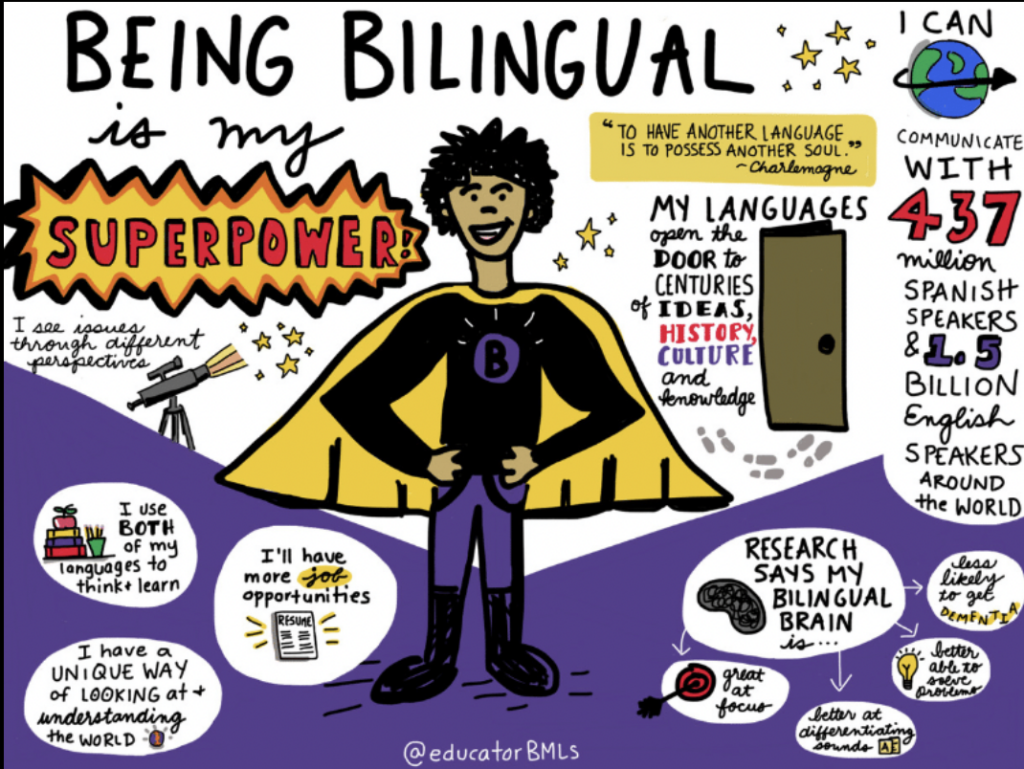
Take Away #1: Learning multiple languages creates better learners.  Period.  As secondary teachers, regardless of which department we roost in, understanding the World-Readiness standards by ACTFL can help us all support our students in their journeys to learn languages and become culturally competent.

World Language standards have changed substantially in the last 10-20 years. To learn about the foundations of what we do in the World Language classroom, watch this 4 minute video.

Take Away #2:  I am constantly amazed at the cross-curricular connections my students are making between the content they learn about in my Spanish class and what they are learning in their other classes.  This is primarily by happenstance.  I can only imagine how we might work together to intentionally support our student’s global readiness. We’d love to work with you!  Here are a few examples I can think of.

  • Music: We watch a documentary that studied the importance of Mariachi music to the Mexican-American communities in Texas with their fierce high school Mariachi competitions.  We learned about the history of this genre, its key instruments, and its vocal features.
  • US History: We studied the important connections in Oregon to the Bracero program that began in 1942, bringing 15,000 Mexican men to Oregon to aid in critical agricultural roles.  These efforts helped aid hungry American families and supported the men fighting abroad.
  • Literature: Thanks to the film study of Disney’s Encanto, even our beginning Spanish students know about magical realism, birthed by Gabriel Garcia Marquez. Students can identify and explain the presence of magical realism and its purpose in story-telling.
  • Math: Students learn how Chileans developed a mathematical formula to calculate the risk of certain geographical areas for earthquakes, which Chile experiences at an incredibly high rate.
  • Science/Archeology:  Students learn about the prolific archeological evidence of brain surgery practice in the Incan cultures of Perú.  Through studies of how bones heal, we can better understand the success rates of these practices.

Take away #3 In our World Languages classes, we consider culture through the 3 P’s: products, practices, and perspectives.  Our students know this language, so try framing cultural observations in your classes with these terms.  An example of this framework might involve noticing how many yellow and red flags are draped over balconies in Barcelona, Spain. The flag is the cultural project, while the public display is the practice.  This leads to a discussion of the perspective of cultural, historical, and linguistic autonomy that many Catalán people feel in this region of Spain.  

In a nutshell, consider exploring the cross-curricular connections at your school.  Our students will grow into Global Citizens they need to become to be ready for the world. 
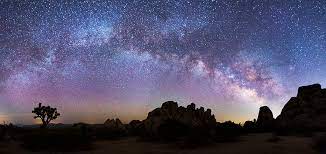
Earth Day, April 22, 2022 Invest in our Planet

Remember

Remember the sky that you were born under,
know each of the star’s stories.
Remember the moon, know who she is.
Remember the sun’s birth at dawn, that is the
strongest point of time. Remember sundown
and the giving away to night.
Remember your birth, how your mother struggled
to give you form and breath. You are evidence of
her life, and her mother’s, and hers.
Remember your father. He is your life, also.
Remember the earth whose skin you are:
red earth, black earth, yellow earth, white earth
brown earth, we are earth.
Remember the plants, trees, animal life who all have their
tribes, their families, their histories, too. Talk to them,
listen to them. They are alive poems.
Remember the wind. Remember her voice. She knows the
origin of this universe.
Remember you are all people and all people
are you.
Remember you are this universe and this
universe is you.
Remember all is in motion, is growing, is you.
Remember language comes from this.
Remember the dance language is, that life is.
Remember.

Joy Harjo, United States Poet Laureate 2019, member of the Mvskoke/Creek Nation

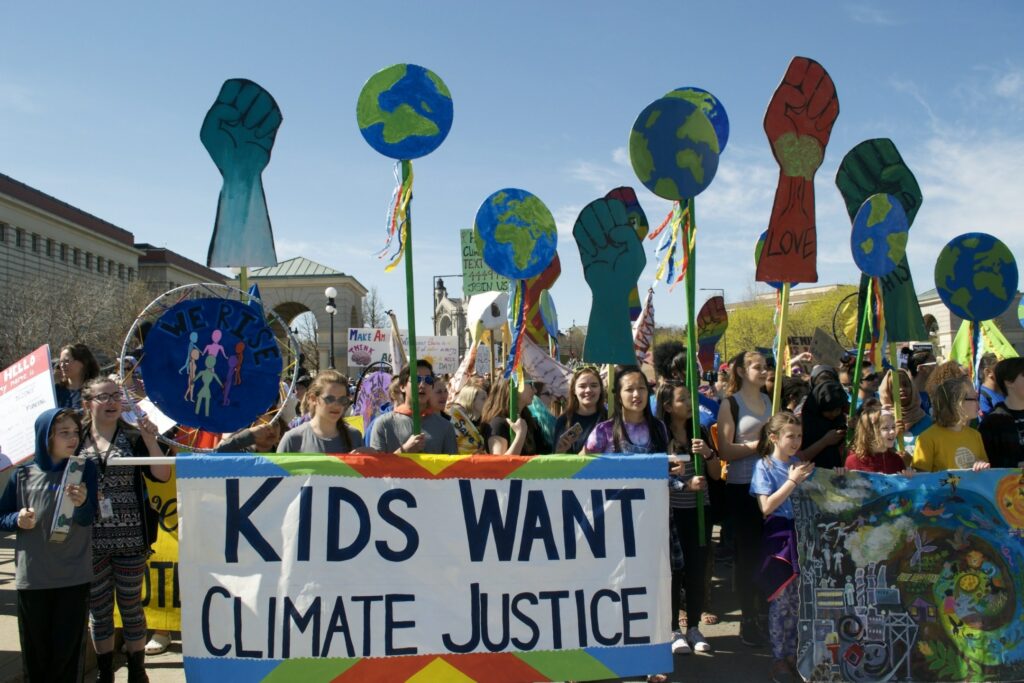
Today is Earth Day, a time to remember who we are as a species and how we are connected to the Earth that sustains us. Earth Day started on college campuses April 22, 1970 to bring awareness of human’s impact on Earth and its systems. Earth Day has become a global day for action and awareness about the effects of climate change. There are a plethora of resources for involving students with Earth Day in all subject areas. I have seen many teachers and students incorporating Earth Day themes into their lessons. For example, I was at Summit High School and was excited to see students advocating actions such as used mask collection, recycling and resource awareness. At Pacific Crest sixth grade students held a Socratic Seminar on alternative energy requirements. Action empowers students and inspires change. Below are just a few some Earth Day resources.

Bend’s Earth Day Parade is Back!

The Environmental Center is set to host their annual Earth Day Fair and Parade in-person after moving to virtual events for two years during the pandemic.  Click here for details! This is a fun community event that involves many students and families in the area. The parade is downtown with the Earth Fair to follow.

Conservation International Nature is Speaking Videos

I love these videos! Excellent video clips that can be used to inspire writing and reflection in all subject area. Beautiful videography around themes such as on water, fire or air with celebrities voice over. Below are two examples of the videos, one in English and one in Spanish.

Invest in the Planet

This year’s Earth Day Theme is Invest in the Planet . Earthday.org provides resources for educating and inspiring students and communities members to get involved. Some resources inspire activism and show locations around the world where students are standing up for the Earth. Some resources focus on Climate Justice and actions to help the most vulnerable populations locally and globally. Other resources focus on individual moves such as eating a plant-based diet or starting a local Clean-up. Below are some tidbits from the website.

Climate Justice

Climate Justice is a term referring to inequitable impacts climate change on marginalized populations. Advocates for Climate Justice are calling out the social, economic and public health crisis created by a changing climate. It is predicted that climate change will result in over 1 billion climate refugees by 2050. Climate refugee are people that are displaced by ecological changes and natural disasters cause by effects of global warming. Oregon State Science Standards will incorporate climate justice in the next standards adoption. Here is a toolkit for for teachers interesting in Climate Justice topics.

Citizen Scientists

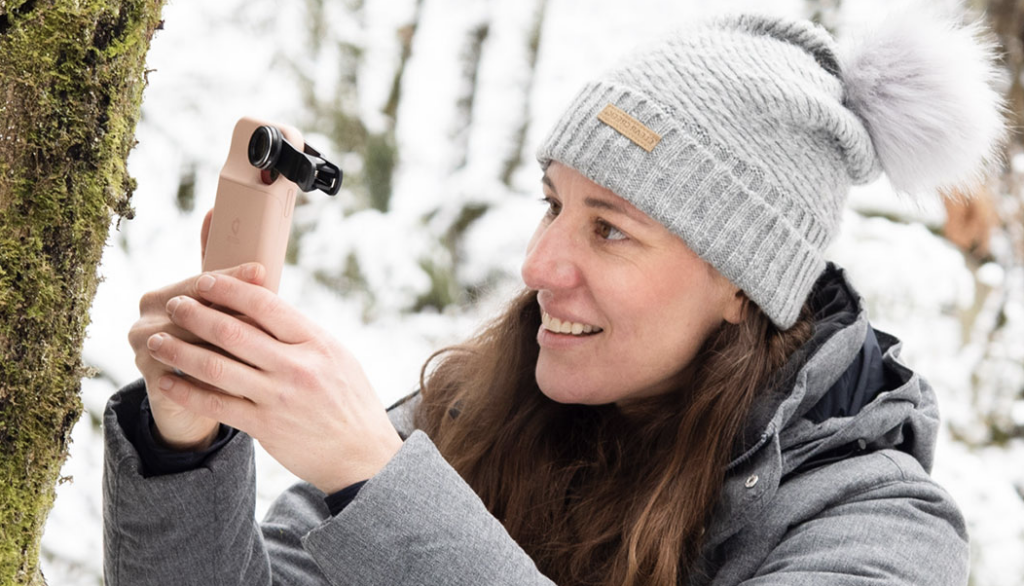
Students and community members can be Citizen Scientists that collect real data for scientists around the world. Topics range recording bird migration at backyard bird feeders to reporting bloom dates of trees. Below are a few website to get you started.

Giving Students a Sense of Hope

Discussing climate change can cause anxiety in students. A few years ago my 8th graders I asked them to think about what they would be doing in 10 years. I was shocked at the number of students that thought that the Earth would be destroyed in the next decade because of climate change. They had a fatalistic view that was heartbreaking, and this was before the pandemic. To be scientifically literate, students need to learn about climate change and the impact of human activities. As teachers we need to be aware of what is age appropriate and how students might internalize the the impacts of global warming. It is important to give students a sense of hope and the belief that they are part of the solution through action and innovation. Our students are the innovators of the their future and want to be involved.

Educator Network Day Opportunities

Next Wednesday, April 20th, marks the final Educator Network Day. This optional professional development and collaboration day gives you an opportunity to connect with teachers in a learning community to engage in issues important to your content.

You will be paid for your prep time. Content ICCLs will share timesheets at the training. Please return timesheets to Dean Richards in TLC or via email at [email protected].

Times 

(unless otherwise noted)

Middle School 3:15-4:30

High School 2:30-3:45

Secondary (MS & HS) 3:15-4:00

Content/LevelMajor Agenda ItemsFacilitator(s)Meeting SpaceWebEx Option
BandCheck-ins
Advocacy update
Questions for the advocacy team
Good of the order
Keith ChaietWebex – 3:00-4:00https://bls.webex.com/meet/keith.chaiet
ChoirDebrief festival
Add items to comea agenda
Advocacy letter
Luke MacSweenWebex opens at 315 till 4https://bls.webex.com/meet/luke.macsween
CTEIndustry certificates 9-12
Horizontal alignment 6-12
Work related learning experiences 6-12
HSS funds 6-8
Bekki TuckerCaldera High School- Business Room and/or Webex 3-4:15https://bls.webex.com/meet/bekki.tucker
DeansTransition time for grade 8
Discipline as the year comes to an end
Looking ahead to next  year, evaluate data, start conversations
Jake SlodkiWebexWebExhttps://bls.webex.com/meet/jake.slodki 
Fine Arts8th grade to HS transitions Recap of Youth Take Over Month/ScholasticJulia ReynoldsReynolds Webex
https://bls.webex.com/meet/julia.reynolds
Health/PE(Secondary)Health:Introduction to “Catch My Breath” pilot program for vaping prevention. How to access this FREE curriculum and lesson demonstration
PE:Give One, Get OneBring your favorite/best instant activity, warm up, game, lead up game, grading tool, whatever to share with your colleagues. And tour Caldera’s PE facilities. 
Aimee Snyder(DCHD)
Denise Horton
Caldera High School
Room 226 (Health)
Gym (PE)

Language Arts (MS)Team Time
Assessment Discussion
Reading Intervention Discussion Build up Our Collective Resources
Sarah Huddarthttps://bls.webex.com/meet/sarah.huddart 
Language Arts (HS)Writing PLC members meet to plan future planningMichele ClementsMichele’s WebExhtps://
Math (MS)Using Delta Math to support students. Linda Adams
Tara Butler-Kruger
Jeannie Wenndorf
Brian Miller
Caldera H.S. Media Center
Math (HS)Reviewing and discussing HS CORE scope and sequence. Linda Adams
Amy Romero
Jackie Greenwood
Caldera H.S.Media Center
OrchestraCheck-ins
Advocacy update
Questions for the advocacy team
Debrief Festival
Eddy RobinsonWebExhttps://bls.webex.com/meet/eddy.robinson
School Counselors (MS and HS)
2:30 pm to 4 pm.
We will be reviewing school specific Youth Truth data in the social-emotional and engagement categories. The goal is to support counselors in using this information to take the next steps in building a data informed, comprehensive school counseling program.Jess Calbreath
Lynne Tat
Jennifer Hauth
Caldera High School, Room 210
Science (HS)
PLS’s work together to complete the site Science Safety checklist
Colleen Behrens

Laura Gemignani
Meet in Laura’s Webex to start 
Work at your school site
Laura Gemignani Webex
Ron Crawford Webex
Science (MS)PLS’s work together to complete the site Science Safety checklistColleen Behrens
Sarah Durfee
Meet in Colleen’s Webex to startWork at your school siteColleen Behrens Webex
Social Studies (MS)Share lessons, tools, and supplementary materials with your colleagues as we create a district-wide shared Google Drive. Melissa Morris
Jessica Colburn 
https://bls.webex.com/meet/jessica.colburn
Social Studies (HS)Share lessons, tools, and supplementary materials with your colleagues as we create a district-wide shared Google DriveAllie Chiavetta Webex – https://bls.webex.com/meet/allie.chiavettaochoa
Student Success Coordinator/Instructor/Education AssistantsNME # 4 Jen Goodman and Darlene BeckerMS/HShttps://bls.webex.com/meet/jen.goodman
World LanguageShare materials previews and pilotsJulie MontoyaWebex:3:00-4:00https://bls.webex.com/meet/julie.montoya 

Supporting Students During High Stakes Testing

by Linda Adams

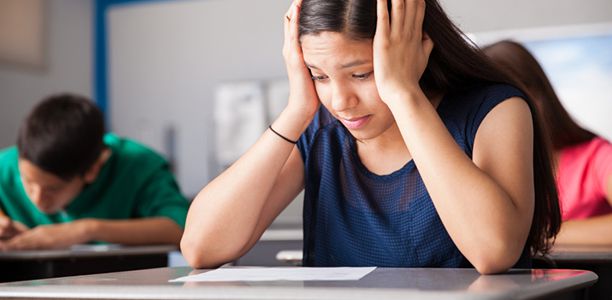
A few years ago toward the end of a year of teaching 6th grade math and science abroad I had a very big Aha moment. My students were about to take the NWEA MAPS test and were very stressed out about it. As I dug into why students were feeling so stressed I heard them say they were worried about having to concentrate for longer periods than they thought they were capable of, they were worried about not knowing or understanding the material and as a result, failing. In some cases the stress caused students to have physical symptoms, including stomach and headaches. 

So I decided to try a small experiment. Of the two classes I taught, half of the students would be testing all week with me and the other half would be testing with my teaching  partner. The classes were pretty comparable in skills, ability and diversity. First, I decided to try and reframe the stress. I shared with my students how stress works in our bodies. We learned about how the amygdala works and how hormones like cortisol and adrenaline change how the mind functions. I introduced them to mindfulness techniques and “moving to learn” strategies. We practiced these while learning in our regular day BEFORE the big test. 

Then on the day of the test I used every mindfulness technique I knew to make the climate of our class a soothing environment. I used aroma therapy, I had soothing photos of the beaches and mountains displayed on the screen, I played soft classical music and even had students do some breathing exercises beforehand. I also encouraged students to drink water and to move every 15 minutes (stretch or do a yoga pose). 

Okay, it was just one class but the students who tested with me had appreciably better results AND most importantly they were a lot less stressed; I even caught a few students humming or smiling as they worked. I also felt the students who really did have a tough time focusing for lengths of time did so much better (no impulsive quick clicking) when they knew they could get up and move, get a drink or go to the bathroom when their brains needed a break. Students who needed to also used fidget gadgets to help concentrate and students could sit or stand while they worked.

 “When you change your mind about stress you can change your body’s response to stress”.

Well, I followed up my Aha moment with some research on how and why those ideas may have worked. If you want to know more, first check out this approximately 15 minute Ted Talk on reframing stress, that is, making stress your friend.

Second, choose from a couple of short readings from Edutopia that give concrete ideas for helping you and your students understand and reduce stress anxiety due to testing.

Finally, don’t be afraid to try some of these strategies in your classroom prior to the testing during times where students are focusing on individual work. Also, if you are interested in how our brains operate most efficiently check out John Medina’s  “Brain Rules (Updated and Expanded): 12 Principles for Surviving and Thriving at Work, Home, and School.

Wishing you and your students much less anxiety this time of year.